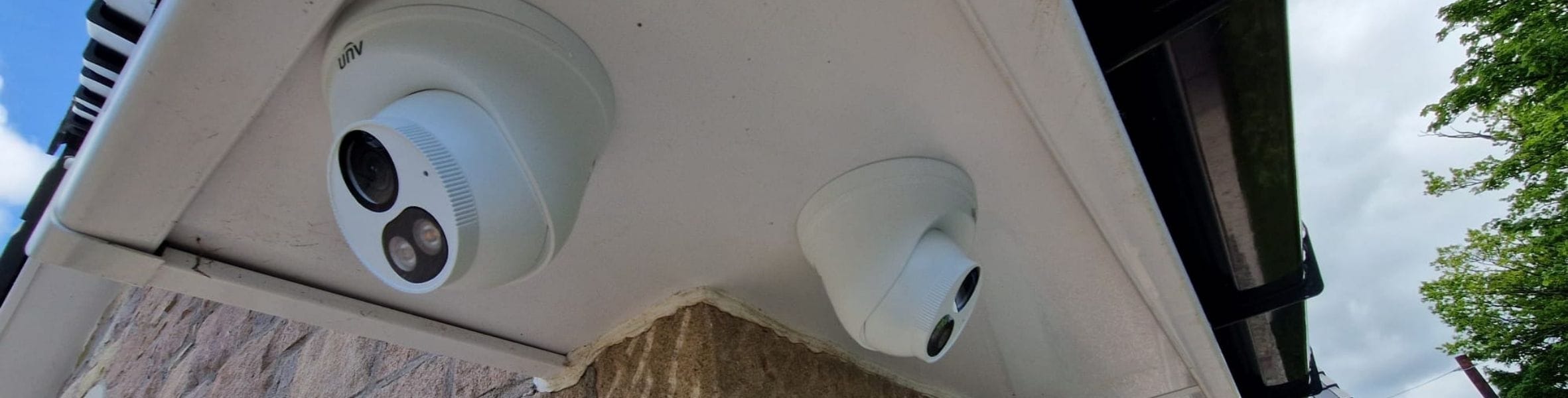
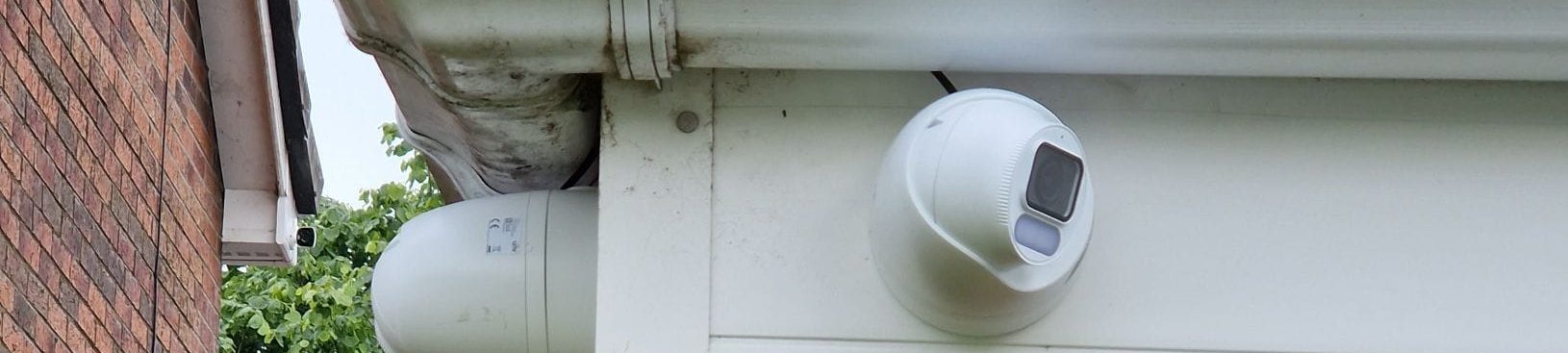
When choosing an intruder alarm, it’s easy to focus on visible features like cameras, apps, or monitoring. However, in the process, an important factor is often overlooked: the alarm grade.
Alarm grades are not marketing jargon but part of established UK and European standards that define system robustness, response to tampering, and the threats addressed. This also determines whether a system is well-suited to your risk level and meets insurance expectations.
Thus, selecting the wrong grade can leave protection gaps or cause insurance issues when they are needed most.
What Alarm Grades Mean
Under the UK’s BS EN 50131 standard enforced by the British Security Industry Association (BSIA), intruder alarms are classified into security grades. In simple terms, alarm grades align systems with specific threat levels, ensuring alarms are built for the risks your property faces.
Overview of Grades 1 to 4
There are four intruder alarm grades, ranging from basic to high security.
- Grade 1: This provides basic intruder detection for properties with a very low risk of break-in and without an insurance requirement for an alarm system. These systems are designed to deter opportunistic intruders with limited knowledge and minimal tools.
- Grade 2: At this level, intruders are assumed to have some understanding of alarm systems and break-in tools. Grade 2 intruder alarm systems address this with stronger tamper resistance, improved sensors, and greater reliability.
- Grade 3: This grade level’s alarms are ideal for properties where intrusion is a pressing, ongoing concern, and the intruders may be experienced and equipped with specialist tools. To counter this, Grade 3 alarms include advanced detection, enhanced anti-tamper features, and better system resilience.
- Grade 4: It offers the highest level of intruder protection and is used where security is critical, such as properties at risk of organised or planned intrusion attempts. They provide comprehensive coverage across entry points, internal areas, and structural elements, with robust monitoring and communication standards.
How Grades Relate to Risk Levels
Intruder alarm grades are determined by risk rather than property size. For instance, even a small building can require a higher-grade system if the threat level is elevated due to the assets inside.
Key factors that influence alarm grading include:
- Location and surrounding area
- Type and value of assets on site
- Accessibility and number of entry points
- Level of public foot traffic or isolation
- Previous incidents or known security risks
This is why having the right professionals assess your setup matters. At Gold Standard Security Scotland, our team carefully assesses how your area is used and where genuine risks exist. Based on the assessment, we then recommend an alarm grade that fits without adding unnecessary complexity or cost.
Which Grade Fits Typical Properties
Alarm grade recommendations vary depending on how a property is used and the risks it faces. Homes, shops, and high-risk sites have different priorities and levels of exposure.
Homes
For most homes, Grade 1 or Grade 2 alarm systems are appropriate, while smaller flats or apartments in low-risk areas may only require Grade 1 protection for basic deterrence.
That said, many homeowners prefer Grade 2 because it offers stronger tamper resistance, improved system reliability, and broader insurer acceptance. This is because detached houses, larger family homes, or properties with several access points are often better suited to this grade.
In addition, many homeowners choose to link their alarm system with wider security services. This might include professional monitoring, CCTV integration, or app-based control, providing them with clearer visibility and faster response if something happens while they are away.
Shops and Offices
Shops and offices usually fall under Grade 2 or Grade 3, depending on stock value, operating hours, the amount of public access to the premises, and what security system your business needs.
Grade 2 is often sufficient for small offices or quieter retail units. In contrast, businesses with higher footfall, valuable goods, or longer trading hours typically benefit from Grade 3, where stronger detection and signalling help reduce disruption and risk.
High-Risk Sites
High-risk environments typically require a Grade 4 alarm system. These sites often contain valuable goods, sensitive information, or critical infrastructure, such as banks, jewellery shops, data centres, and high-value storage facilities.
Grade 4 systems use layered protection. This includes secure communication paths, continuous monitoring, and advanced tamper detection, with a focus on meeting strict security requirements and prioritising reliability.
Insurance Requirements Related to Alarm Grades
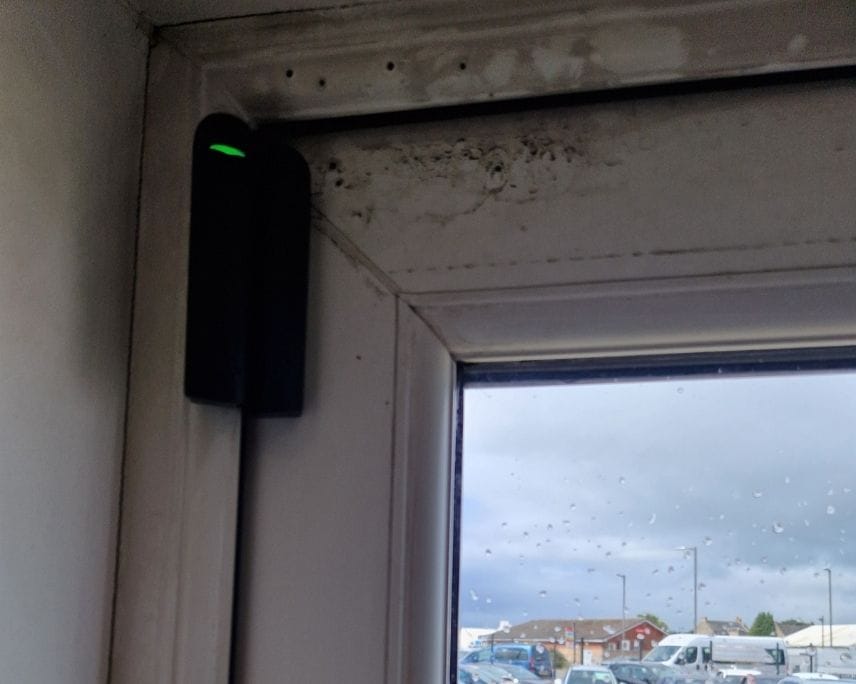
Insurance providers often set specific security expectations in their policy terms, such as those outlined in the British Standards Institution (BSI)’s PD 6662. In many cases, cover is conditional on the intruder alarm meeting a minimum grade that reflects the property’s risk level.
When an alarm is undergraded or does not comply with policy conditions, this can lead to avoidable issues, such as:
- Policy exclusions linked to inadequate security
- Reduced or delayed claim payouts
- Additional scrutiny during the approval and claims process
Beyond the alarm grade, insurers often require systems to be installed, maintained, and, when necessary, monitored by recognised security companies. Ongoing service, correct system use when properties are unattended, and clear keyholder arrangements are commonly included in these terms. Any changes to alarms, including signalling or monitoring, should also be disclosed to insurers.
On the positive side, a correctly graded and professionally installed intruder alarm can work in your favour. It supports smoother claims handling, demonstrates that reasonable security measures are in place, and, in some cases, may contribute to lower premiums.
If you are unsure of your insurer’s requirements, contact our security specialists for clear guidance on alarm grading and to ensure the right system is installed for your premises.
How to Check the Grade of an Existing Alarm
Knowing the grade of your current intruder alarm is particularly important when buying a new property, reviewing insurance cover, or planning an upgrade. It helps confirm whether your system still meets today’s security expectations and any insurer requirements.
There are two ways to check:
Certification
Certification provides independent proof that an alarm system has been installed and adjusted in accordance with recognised industry standards. This provides insurers with confidence that the system is reliable, properly configured, and unlikely to fail or lead to unnecessary claims.
In the UK, certification is usually issued by accredited third-party bodies such as the National Security Inspectorate (NSI) and Security Systems and Alarms Inspection Board (SSAIB). These organisations assess installers against strict criteria covering equipment choice, installation quality, and ongoing maintenance.
Installer Documents
Most installations include handover paperwork, system manuals, or commissioning certificates that state the alarm grade. If documents are missing or unclear, contacting the original installer or arranging a professional inspection is the safest approach.
Choosing the Correct Grade for Your Next Installation
Choosing the right intruder alarm grade is about understanding real risk, not guessing which features sound impressive. That decision usually comes down to a few practical considerations, including how the area is occupied, what assets are on site, its accessibility, and whether insurers have specific expectations. It’s also worth thinking ahead, as a system that can adapt over time avoids unnecessary upgrades later.
At Gold Standard Security Scotland, we look beyond checklists and assess each property, considering risk, layout, and insurance approval requirements before recommending an alarm grade. That approach helps ensure protection is practical, compliant, and built to last.
To discuss which grade of the intruder alarm suits your home or business, get in touch with us via our website, email gssscotland@gmail.com, or call 44 7706 303074.
Frequently Asked Questions About Intruder Alarms in Glasgow
Can an alarm system have mixed grades within one property?
Yes, in some cases. Larger or more complex properties may use devices with different capabilities, but the overall system must still meet the required alarm grade set by the risk assessment or insurer.
Do wireless alarm systems meet the same grade standards as wired ones?
Yes. Modern wireless intruder alarms can meet Grade 2, Grade 3, and even Grade 4 standards when correctly specified, installed, and maintained.
How often should alarm systems be inspected to keep their grade valid?
Most intruder alarms require annual inspection to remain compliant. On the other hand, higher-grade or professionally monitored systems may need more frequent checks, particularly where insurance conditions apply.
What happens if my property’s security needs change?
The alarm grade should be reviewed. Many modern systems allow upgrades or additional protection without replacing the entire setup, making it easier to adapt as risk levels or usage change.
Is alarm grade relevant if I have 24/7 monitoring?
Yes. Monitoring forms part of the overall alarm setup, but the grade determines the level of protection the system provides. A monitored system still requires the correct grade to meet risk assessments and insurance requirements.