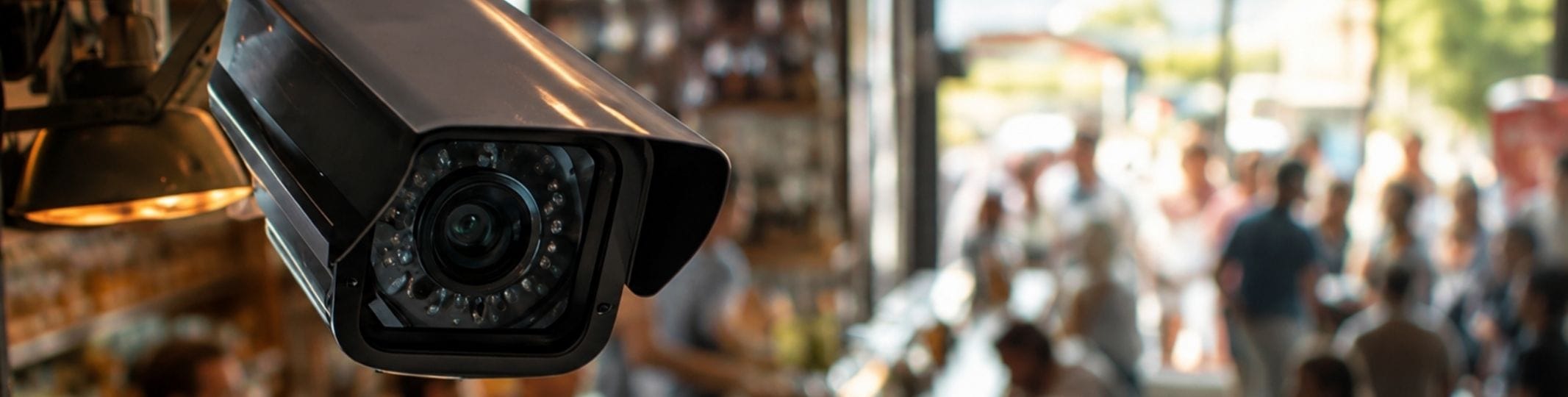
Security systems for pubs and shops have to do a job that a home system never does. They run all day with the public inside the building, then protect an empty premises full of stock and takings overnight, and the footage they record may later be looked at by an insurer, a licensing board or Police Scotland.
That dual role is why a small venue rarely gets the right result from a domestic kit bought off a shelf. The cameras usually matter most while the doors are open rather than after they close, and once a system is recording customers and staff there are data protection duties attached to it. This guide sets out what a pub, shop or small venue in Glasgow should be weighing up, and what the rules genuinely require.
What Scottish Licensing Rules Say About CCTV
There is a widespread belief that every licensed premises in Scotland is legally obliged to have CCTV. That is not quite right, and the distinction is worth understanding before you spend anything. The conditions that apply to every premises licence in Scotland are set out in Schedule 3 of the Licensing (Scotland) Act 2005, covering matters such as the operating plan, the premises manager, staff training and age verification. CCTV is not among them, so there is no blanket national requirement. What exists instead is a local power: under section 27 of the same Act, a Licensing Board may impose further conditions it considers “necessary or expedient for the purposes of any of the licensing objectives”.
Boards use that power differently, so the Glasgow position is worth knowing precisely. The City of Glasgow Licensing Board’s current policy treats CCTV in three ways. For pubs and bars generally, it sits alongside door supervision, premises design and mode of operation as one of a range of measures rather than a fixed requirement. For new off-sales applications and new outdoor drinking areas, the Board takes a firmer line and will generally require a fully operational system covering entrances, exits and till areas, to a standard that allows a face to be identified. And where a premises has a history of crime or disorder, CCTV may be considered necessary at a review.
Where a CCTV condition does apply, two operational points come with it, and they catch people out more often than the cameras do. Footage typically has to be made available to Police Scotland officers and Licensing Standards Officers on request, and a member of staff trained to operate the system has to be on the premises throughout licensed hours. A system nobody on shift knows how to export from is a condition breach waiting to happen, so agree at survey who will be trained to use it.
Data Protection Duties Once the Cameras Are Recording
Any business running CCTV is processing personal data, which brings duties under the UK GDPR and the Data Protection Act 2018. The Information Commissioner’s Office publishes advice for small organisations using CCTV that is short and worth reading in full. Three points from it come up repeatedly.
Registration with the ICO
This is the duty most often missed. If your cameras capture images of people and you are not already registered with the ICO, you must register and pay the data protection fee, and there is no exemption for using CCTV to prevent crime on your own premises. For most pubs and shops that is the tier one fee of £52 a year, or £47 by direct debit.
Signage
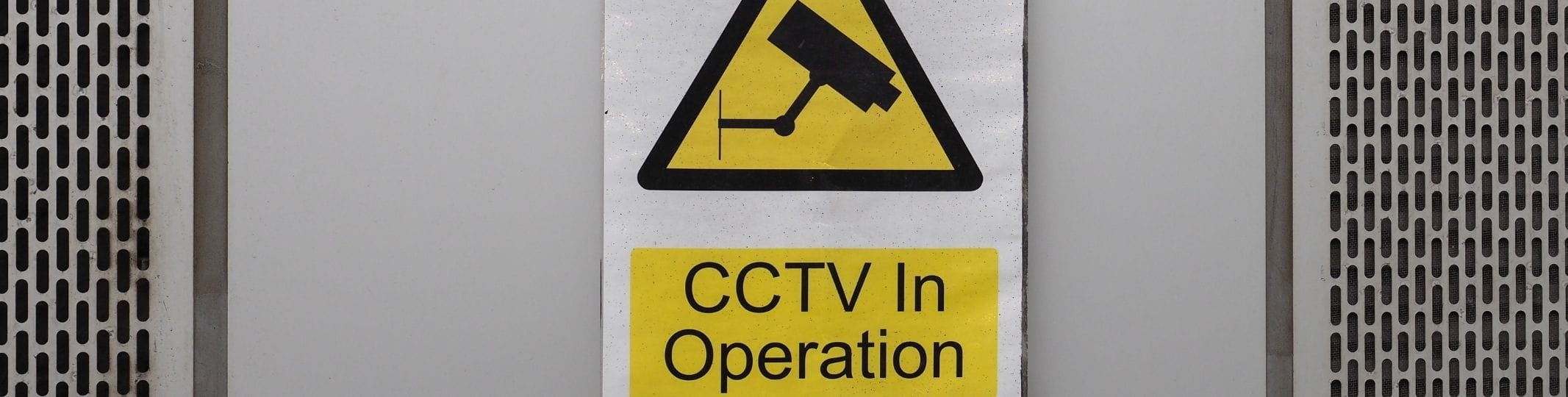
The ICO expects signs telling people they are being filmed, explaining why, and saying who to contact. A sign that only reads “CCTV in operation” does not meet that.
How Long to Keep Footage
There is no legal minimum or maximum. The ICO’s position is that you must not keep footage longer than you need it, so you set the period, justify it and stick to it. It is worth saying plainly that the 28 and 31 day figures repeated across the internet are industry habit rather than law, and neither is written into Glasgow’s licensing policy. If a condition on your own licence sets a period, that is the one that binds you.
CCTV for Shops and Convenience Stores
Retail crime in Scotland is rising rather than levelling off. The Scottish Government’s Recorded Crime in Scotland, 2025-26 statistics show shoplifting up 19 per cent, from 44,730 to 53,369 recorded crimes, the highest level since 1971. Assaults on shop staff are recorded separately following the Protection of Workers (Retail and Age-restricted Goods and Services) (Scotland) Act 2021, in force since 24 August 2021. That Act obliges you to install nothing, but it does mean an incident involving your staff is a distinct recorded crime, and clear footage makes it far more likely to go anywhere.
For most small shops and convenience stores, camera placement follows the same short list:
- The entrance, at roughly head height so faces are captured clearly rather than the tops of heads
- The counter and till, covering both sides of the transaction, which settles refund and card disputes as often as it catches theft
- Aisles and high value stock, particularly spirits, tobacco, vapes and small electricals
- The stockroom, rear door and delivery point, where losses are quietest and least likely to be noticed on the day
Image quality matters more than camera count. A recording that shows something happened is of limited use; one clear enough to identify a person is what police and insurers can work with. Good CCTV for shops is as much about where the cameras look and how well they see as the specification on the box.
CCTV for Pubs, Bars and Restaurants
Pub security has a different centre of gravity. Stock loss matters, but much of what a venue needs footage for is disputes, staff safety and answering a question from the police or the licensing board with something better than recollection.
The areas that usually earn their keep are the entrance and exit, the bar and tills, any beer garden or outdoor smoking area, the corridors leading to toilets rather than the toilets themselves, the cellar and its delivery hatch, and the frontage at closing time. Security systems for restaurants add a couple of their own: the kitchen and back door, where deliveries and waste runs leave a door open for long stretches, and the card terminal area, where chargeback disputes are settled by footage more often than owners expect.
One point comes up on almost every survey of a bar: lighting changes everything, so low light performance should be judged against the room when it is busy rather than at midday.
Alarm Systems for Shops and Small Venues
CCTV records what happened. An intruder alarm tells someone it is happening, and for a premises that stands empty overnight with stock and takings inside, the two work best together.
For a trading business, a few features matter more than they do at home:
- Zoning, so the cellar, stockroom or office can be armed while the rest of the premises trades
- Hold up devices behind the bar or under the counter, raising an alert discreetly without a siren announcing it
- Multiple users with their own codes, so you can see who set and unset the system and when
- Wireless sensors, which avoid chasing cables through a tenement building or a listed frontage
Where an activation needs to reach someone whatever the hour, professional monitoring is the answer, and our systems can be connected to an NSI Gold accredited Alarm Receiving Centre, as explained in how CCTV monitoring works in Scotland. Reliable alarm systems for shops are rarely about more sensors; they are about the right coverage, sensibly zoned, with a clear plan for who responds.
Installing Security Systems for Pubs and Shops in Glasgow
At Gold Standard Security Scotland, we design and install CCTV and intruder alarm systems for homes and businesses across Glasgow and the central belt, including shops, pubs, restaurants and other small venues. Every project begins with a free survey, where our engineers walk the premises, look at how it trades and check the areas a licence condition or an insurer is likely to care about, followed by a written quote before any work starts.
Our engineers are Ajax Academy trained and we are an Ajax authorised installer, which is why wireless systems are usually our starting point for retail security in Glasgow and for licensed premises: they go in quickly, with minimal disruption to a building that still has to open. Where a wired or hybrid installation suits the property better, we will say so. You can see the full range of commercial security systems in Glasgow we provide, or read our guide to what security system your business needs.
A system in a pub or shop lives a harder life than one in a house, and faults tend to be noticed late, because nobody checks the recordings until the day they need them. As good practice a CCTV system should be serviced at least once a year, and where a licence condition or an insurance policy requires it to be in working order, a documented service history is the evidence that it was. We maintain the systems we install and can take over the servicing of alarms fitted by other companies.
Frequently Asked Questions About Security Systems for Pubs and Shops in Glasgow
Is CCTV a legal requirement for a pub in Scotland?
Not automatically. CCTV is not one of the mandatory conditions in Schedule 3 of the Licensing (Scotland) Act 2005. Section 27 does let a Licensing Board attach local conditions, and Glasgow’s current policy generally requires a fully operational system at new off-sales premises and new outdoor drinking areas, while treating CCTV at pubs and bars as one of a range of measures. Check your own premises licence, because those conditions are what bind you, then plan any CCTV installation around them.
How long do pubs keep CCTV footage?
There is no legal minimum or maximum. The ICO’s position is that you must not keep footage longer than you need it, so each business sets its own period, records the reason and sticks to it. The 28 and 31 day figures often quoted are convention rather than law, and Glasgow’s licensing policy sets no period of its own. Where a licence condition specifies one, that takes precedence over the recorder’s default.
Do I need to register with the ICO to have CCTV in my shop?
Yes, if the cameras capture images of people and you are not already registered. Paying the data protection fee is a legal duty, with no exemption for preventing crime on your own premises. Most small shops and pubs fall into the tier one fee of £52 a year, or £47 by direct debit.
Can CCTV in a pub record sound?
It can technically, but the ICO treats continuous audio recording as difficult to justify, because you are unlikely to have a lawful basis for that level of intrusion. Where there is a genuine reason, such as staff facing regular abuse, you must make clear that audio is captured, and use a system staff can switch on for a specific situation.
What grade of alarm does a small shop need?
Grade 2, under the BS EN 50131 alarm grading standard, is often sufficient for small offices and quieter retail units, while premises holding higher value stock, heavier public access or longer hours may need Grade 3. The grade follows a risk assessment of the premises rather than the type of business, so it is confirmed at survey. Our guide to intruder alarm grades sets out what each one means.
If you are considering security systems for pubs and shops in Glasgow, get in touch via our contact us page, email info@goldstandardsecurityscotland.com, or call 07706 303074 to arrange a free survey and a written quote for your premises.