CCTV monitoring is a proactive security service. It not only records footage for later review but also integrates live connectivity, smart detection technology, and trained human oversight to respond in real time as incidents unfold.
Throughout Scotland, homeowners, businesses, and industrial sites rely on CCTV monitoring to maintain continuous oversight, accelerate response times, and mitigate security risks.
What CCTV Monitoring Means
Monitored CCTV means your cameras are connected to a remote monitoring centre, which is a secure facility where staff watch footage in real time and can take action if needed. This differs from standard CCTV systems, which only record footage for later playback.
To better understand this distinction, it’s useful to look at how CCTV cameras work and how their integration with monitoring software and alert systems turns simple recording into a comprehensive security management system.
How Monitored CCTV Differs from Standard CCTV
Monitored CCTV systems enable incidents to be reviewed and addressed as they occur. When an alert is triggered, skilled staff quickly assess live footage and implement agreed response steps. This allows rapid intervention, stronger deterrence, and controlled management of unfolding events, helping reduce risk and limit damage.
With standard CCTV, on the other hand, responsibility sits entirely with the property owner. You must first become aware that something has happened, then review the recordings and decide what action to take. If you are away from the property, asleep, at work, or simply busy, incidents can easily go unnoticed. Also, without live monitoring or supporting alarm systems, intruders may stay on site for longer, which lowers the chances of a fast and effective response.
How Monitoring Centres Operate in Scotland
Monitoring centres in Scotland operate around the clock, with operators who follow strict procedures to ensure decisions are consistent and reliable. These centres are set up to meet UK compliance standards and are designed to handle a wide range of property types, from residential homes to industrial premises.
How Remote Monitoring Detects and Verifies Activity
CCTV monitoring combines advanced technology and expert judgment. Detection systems spot potential issues, and monitoring room staff verify the situation before any response is escalated through several key stages.
Motion Detection
Motion detection senses movement within defined zones throughout your property. During installation, technicians place detectors in key areas and calibrate sensitivity levels to reduce false alerts.
Video Analytics
Modern CCTV camera features often have video analytics to identify people, vehicles, or unusual behaviour. This technology filters out irrelevant movement, like passing traffic or animals, and targets real risks.
Operator Verification Process
Once activity is detected, trained monitoring operators review the CCTV footage to confirm whether it is a real threat. Their role is to assess what they see and decide the appropriate response. This human verification step prevents unnecessary call-outs and ensures only genuine incidents are escalated.
What Happens When an Intrusion Is Confirmed
Once an intrusion has been verified by the monitoring operators, a structured response process is initiated.
Audio Warnings
In some cases, operators can issue live audio warnings through on-site speakers. This allows them to speak directly to the intruder, making it clear they have been detected and are being monitored.
Contacting the Property Owner
Following audio warnings, operators can contact the property owner or nominated keyholders using the agreed communication plan. This ensures the right people are informed straight away and can make decisions based on what is happening on site.
Police or Security Response
If the situation requires escalation, the incident can be passed to the police or security teams in the area. However, this step depends on the service level chosen and the protocols agreed in advance. By confirming the threat before escalation, monitoring centres help ensure emergency services are contacted only when needed.
Benefits of Monitored CCTV for Scottish Properties
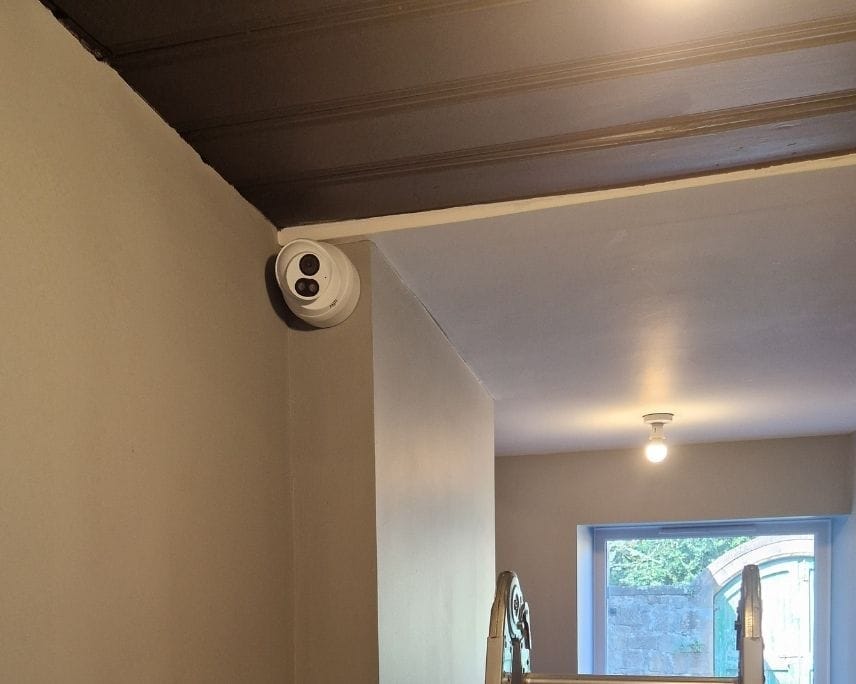
Monitored CCTV systems offer several practical advantages for properties across Scotland, including:
- Faster Response to Incidents: Live monitoring enables assessment of potential threats as they happen, enabling quicker action and reducing the time intruders spend on site.
- Fewer False Alarms: Operators review footage before any escalation, helping filter out harmless activity and ensuring only genuine risks are acted on.
- Stronger Deterrence: Knowing a site is actively monitored discourages criminal behaviour, as intruders are more likely to leave when they realise they are being watched in real time.
- Clear Evidence for Investigations: Verified footage provides reliable documentation for police reports, insurance claims, and internal reviews when incidents occur.
- Suitable for Urban and Rural Locations: Monitoring is effective across different environments, from high-traffic retail areas to isolated rural properties that may otherwise go unnoticed.
Who Should Consider CCTV Monitoring in Scotland
CCTV monitoring is a practical solution for a wide range of properties across Scotland. The following examples highlight where it is often most useful, helping you assess its suitability for your property type.
- Retail Premises: Ideal for deterring shoplifting, monitoring staff areas, and keeping an eye on activity outside of trading hours.
- Offices: Helps protect employees, equipment, and sensitive spaces, particularly during evenings and weekends.
- Warehouses and Industrial Units: Provides essential oversight across large areas with multiple entry points and valuable stock.
- Construction Sites: Supports asset protection where tools, machinery, and materials are often left unattended overnight.
- Residential Properties: Offers homeowners extra reassurance when they are at work, travelling, or away for extended periods.
Effective CCTV monitoring depends on more than just installing cameras. Proper system design, professional installation, and clear response procedures all play a vital role in the system’s performance. At Gold Standard Security Scotland, we work closely with property owners to recommend monitoring options that suit their layout, usage, and risk level.
If you would like tailored advice or want to explore the right setup for your premises, contact us today to discuss your needs and learn more about our professional security services in Scotland.
Frequently Asked Questions About CCTV Monitoring in Scotland
Do monitored CCTV systems require wifi?
Most systems use internet connectivity, but mobile data backups can be added for reliability.
How long is CCTV footage retained?
In most cases, footage is kept for up to 30 days, as information should not be stored for longer than necessary. However, retention can vary depending on the purpose of recording, such as if required for investigations, legal matters, or at the request of law enforcement.
Who can view monitored CCTV footage?
Generally, access to footage is strictly limited to the property owner, authorised monitoring personnel, and nominated keyholders. However, anyone captured on camera also has the right to request their images, and these requests should generally be fulfilled within one month at no charge.
Can monitored CCTV record audio and video?
Some monitored CCTV systems can record both audio and video, but this is strictly regulated under privacy laws. Audio recording should be used only when there is a clear business need, such as ongoing safety concerns or repeated incidents.
If audio is enabled, you must be transparent. Clear signage should be in place to inform people that both sound and images are being recorded, helping you stay compliant with data protection requirements.
Are there rules about camera placement in the UK?
Yes. If your CCTV cameras capture areas outside your own property, such as neighbouring homes or public spaces, data protection laws apply. You must use your system responsibly and comply with GDPR and the Data Protection Act to avoid regulatory or legal action.
Is monitored CCTV suitable for homes and businesses?
Yes, monitored CCTV systems are suitable for both residential and commercial properties. For homeowners, it provides extra reassurance when away. Meanwhile, it supports faster incident response and better protection of staff, stock, and equipment for businesses.